Home › Hearing & Tinnitus
Hearing & Tinnitus Supplements: What the Evidence Says
Category guide · Updated July 2026
Let's start where no supplement ad will: no supplement has been proven to cure tinnitus or reverse hearing loss. That's the baseline. What a review can still do is check the label, the ingredient research, the price, and the guarantee — because millions of people buy these products every year, and they deserve facts before checkout.
Hearing loss in the U.S.: the real numbers
Those last two numbers explain this entire market: hearing loss is extremely common, the proven tool (hearing aids) is underused — historically because of cost and stigma — and a $69 bottle promising the same outcome sounds like a bargain. That mismatch is what the ads sell into.
How to judge a hearing supplement's claims
- "Supports ear health" vs "ends tinnitus." The first is a legal structure claim. The second is a treatment claim — no supplement may legally make it, and none has the evidence to.
- Ingredient research is mostly indirect. Typical formulas use antioxidants and circulation-adjacent botanicals (grape seed, green tea, GABA, maca). Some have general research; none has trials showing restored hearing. We label the evidence level per ingredient in every review.
- Evidence-based tinnitus care exists — hearing aids when hearing loss is present, sound therapy, and cognitive behavioral therapy. A supplement review that doesn't tell you this isn't being straight with you.
Reviews in this category
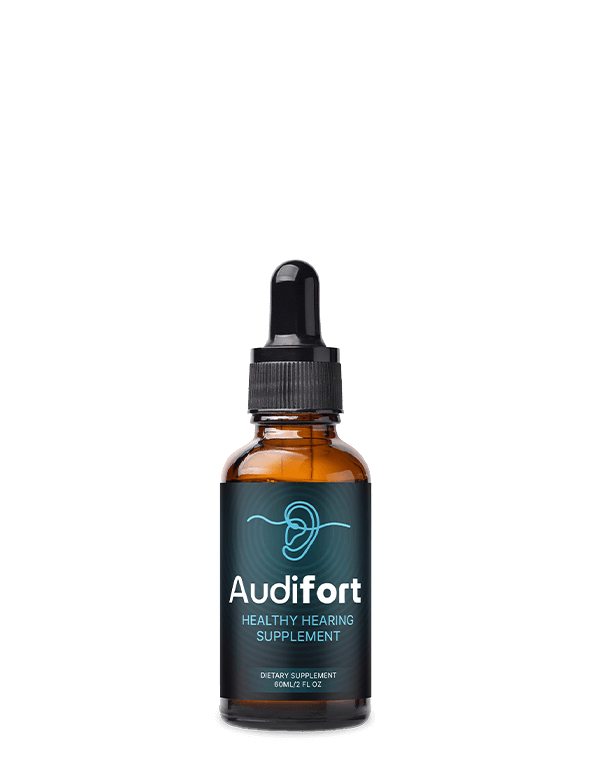
Audifort Review (2026): We Fact-Checked the Ads — Here's What They Get Wrong
The guarantee is 90 days (not the 60 some ads promise), it's liquid drops (not capsules), the Amazon listing isn't the manufacturer's — plus checkout pricing we captured ourselves.
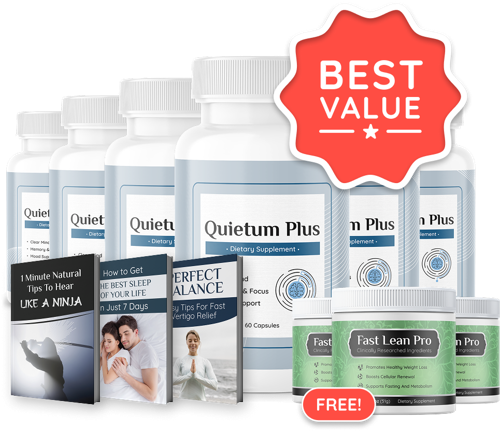
Quietum Plus Reviews: We Read the Complaints and Checked the Claims
BBB complaints are public — we read them, checked every sales-page claim against the evidence, and explain the 60-day refund's fine print (all bottles back, packing slip required).
Frequently asked questions
Is there a supplement that cures tinnitus?
No. No dietary supplement has been proven to cure tinnitus or reverse sensorineural hearing loss. Evidence-based options include hearing aids (when hearing loss is present), sound therapy, and cognitive behavioral therapy.
Then why review hearing supplements at all?
Because millions of people search for them anyway, and the alternative to an honest review is a fake "official website" page. We check the label, the research, the price, and the guarantee — so buyers decide on facts.
When should I see a doctor?
Sudden hearing loss is a medical emergency. One-sided, pulsing, or dizziness-accompanied tinnitus warrants prompt evaluation. For gradual changes, a hearing test is the right first step.